
to the minor scales 3-row 

 to
the minor scales 4-row
to
the minor scales 4-row
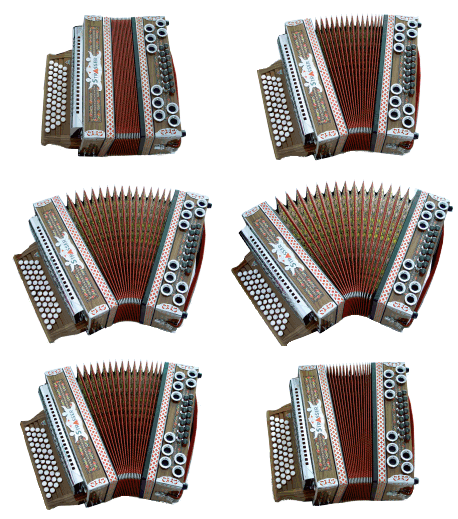
Key layouts major
For all possible scales on a 4 row Instrument
I use a 4 row instrument in the scale of A-D-G-C as an example, but these patterns are usable on all instruments with different scales. Only the scale names have to be replaced if used on different scales.
The following rows are explained:
 | |
| |
| |
|
I recommend, to start with exercises in the 2nd or 3rd row, then with the somewhat more difficult 4th row and then with the 1st row. I also recommend to play or try to play the same tune in high and in low position as well, this way you can find the best sounding position for the respective tune.
And now the Key layouts
Playing on the 2nd row, D-major
Push, scale 2nd row. All seven notes of the diatonic scale are present in three different octaves (positions on the key layout) and even some semitones. The most important keys are printed bold. The Gleichton is underlined.
|
Key layout 4-row, 2nd row, push |
|||||||||||||||||||||||||
| 4. | b7 | 2 | 4 | b7 | 2 | 4 | b7 | 2 | 4 | b7 | |||||||||||||||
| 3. | 4 | 6 | 1 | 4 | 6 | 1 | 4 | 6 | 1 | 4 | 6 | ||||||||||||||
| 2. | 1 | 3 | 5 | 1 | 3 | 5 | 1 | 3 | 5 | 1 | 3 | 5 | |||||||||||||
|
5 |
7 |
2 |
5 |
7 |
2 |
5 |
7 |
2 |
5 | 7 | 2 | 5 | |||||||||||||
| very low | Low position | Middle position | High position | very high | |||||||||||||||||||||
Alternating bass and double dominant (DD) is possible. In combination with the above the respective bass keys:
| Key layout bass 4-row, 2nd row, push | |||||||||||||||
| 2 | x | 6 | x | 3 |
(3) |
2 | |||||||||
| b7 | x | 4 | (4) | 1 | (1) | 5 | (5) | ||||||||
| 4thstep | 4th | bass | chord | altern. | DD | ||||||||||
Pull, scale of the 2nd row. Nearly all notes are present in all positions. In low position the 3rd scale note is missing. If this note is needed in the tune one has to change to pull direction for this note. If this is done the bass position (fingers) has to be changed too.
|
Key layout 4-row, 2nd row, pull |
|||||||||||||||||||||||||
| 4. | b3 | 4 | 6 | 1 | b3 | 4 | 6 | 1 | b3 | 5 | |||||||||||||||
| 3. | b7 | 1 | 3 | 5 | b7 | 1 | 3 | 5 | b7 | 2 | 3 | ||||||||||||||
| 2. | 4 | 5 | 7 | 2 | 4 | 5 | 7 | 2 | 4 | 6 | 7 | 2 | |||||||||||||
|
1 |
2 |
#4 |
6 |
1 |
3 |
#4 |
6 |
1 |
3 | #4 | 6 | 1 | |||||||||||||
| Low position | Middle position | High position | |||||||||||||||||||||||
In combination with the above the respective bass keys:
| Key layout bass 4-row, 2nd row, pull | |||||||||||||||
| b3 | x | 2 | (2minor) | 6 |
(6minor) |
b3 | |||||||||
| 4 | (4) | 1 | (1) | 5 | (5) | 2 | (2DD) | ||||||||
| 4thstep | 4thchord | 1thstep | 1thchord | bass | chord | altern. | DD | ||||||||
Playing on the 3rd row, G-major
Push, scale of the 3rd row. All seven notes of the scale are present in all three positions.
|
Key layout 4-row, 3nd row, push |
|||||||||||||||||||||||||
| 4. | 4 | 6 | 1 | 4 | 6 | 1 | 4 | 6 | 1 | 4 | |||||||||||||||
| 3. | 1 | 3 | 5 | 1 | 3 | 5 | 1 | 3 | 5 | 1 | 3 | ||||||||||||||
| 2. |
5 |
7 |
2 |
5 |
7 |
2 |
5 |
7 |
2 |
5 | 7 | 2 | |||||||||||||
|
2 |
#4 |
6 |
2 |
#4 |
6 |
2 |
#4 |
6 |
2 | #4 | 6 | 2 | |||||||||||||
| very low | Low position | Middle position | High position | very high | |||||||||||||||||||||
Alternating bass and double dominant (DD) is possible. All scale notes are present for bass runs. In combination with the above the respective bass keys:
| Key layout bass 4-row, 3nd row, push | |||||||||||||||
| 6 | x | 3 | (3) | 7 |
x |
6 | |||||||||
| 4 | (4) | 1 | (1) | 5 | (5) | 2 | x | ||||||||
| 4thstep | 4thchord | bass | chord | altern. | DD | ||||||||||
Pull, scale of the 3rd row. In all three positions all notes of the scale are present, only the 1st note in the high position is missing. If these notes are needed in the tune one has to change to pull direction for these notes. If this is done the bass position (fingers) has to be changed too.
|
Key layout 4-row, 3rd row, pull |
||||||||||||||||||||||||||
| 4. | b7 | 1 | 3 | 5 | b7 | 1 | 3 | 5 | b7 | 2 | ||||||||||||||||
| 3. | 4 | 5 | 7 | 2 | 4 | 5 | 7 | 2 | 4 | 6 | 7 | |||||||||||||||
| 2. |
1 |
2 |
#4 |
6 |
1 |
2 |
#4 |
6 |
1 |
3 | #4 | 6 | ||||||||||||||
|
5 |
6 |
#1 |
3 |
5 |
7 |
#1 |
3 |
5 |
7 | #1 | 3 | 5 | ||||||||||||||
| very low | Low position | Middle position | High position | |||||||||||||||||||||||
In combination to the above the respective bass keys:
| Key layout bass 4-row, 3rd row, pull | |||||||||||||||
| b7 | x | 6 | (6minor) | 3 |
(3) |
b7 | |||||||||
| 1 | (1) | 5 | (5) | 2 | (2DD) | 6 | |||||||||
| 4thstep | 4thchord | bass | chord | altern. | DD | ||||||||||
Playing on the 1st chord row, A-major
Push, scale of the 1st row. The 7th note of the scale is missing, If this note is needed in the tune one has to change to pull direction for these notes. If this is done the bass position (fingers) has to be changed too. Experienced musicians change the whole measure to pull direction. And then in low position the 2nd note is missing too.
|
Key layout 4-row, 1st row, push |
|||||||||||||||||||||||||
| 4. | b3 | 5 | b7 | b3 | 5 | b7 | b3 | 5 | b7 | b3 | |||||||||||||||
| 3. | b7 | 2 | 4 | b7 | 2 | 4 | b7 | 2 | 4 | b7 | 2 | ||||||||||||||
| 2. | 4 | 6 | 1 | 4 | 6 | 1 | 4 | 6 | 1 | 4 | 6 | 1 | |||||||||||||
|
1 |
3 |
5 |
1 |
3 |
5 |
1 |
3 |
5 |
1 | 3 | 5 | 1 | |||||||||||||
| very low | Low position | Middle position | High position | ||||||||||||||||||||||
Alternating bass is possible, double dominant (DD) is reachable but in a different position in second row. In combination with the above the respective bass keys:
| Key layout bass 4-row, 1st row, push | |||||||||||||||
| 5 | (5) | 2 | (2DD) | 6 |
x |
5 | |||||||||
| b3 | x | b7 | x | 4 | (4) | 1 | (1) | ||||||||
| DD | DD | 4thstep | 4thchord | bass | chord | ||||||||||
Pull, scale 1st row. All scale specific notes are present in low and middle position, but a Gleichton is not available. The respective 5th note of this scale is on the second row.
|
Key layout 4-row, 1st row, pull |
|||||||||||||||||||||||||
| 4. | b6 | b7 | 2 | 4 | b6 | b7 | 2 | 4 | b6 | 1 | |||||||||||||||
| 3. | b3 | 4 | 6 | 1 | b3 | 4 | 6 | 1 | b3 | 5 | 6 | ||||||||||||||
| 2. | b7 | 1 | 3 | 5 | b7 | 1 | 3 | 5 | b7 | 2 | 3 | 5 | |||||||||||||
|
4 |
5 |
7 |
2 |
4 |
6 |
7 |
2 |
4 |
6 | 7 | 2 | 4 | |||||||||||||
| very low | Low position | Middle position | High position | ||||||||||||||||||||||
For alternating bass the “2” is used, correct note but different fingering than in push direction. In combination with the above the respective bass keys:
| Key layout 4-row, 1st row, pull | |||||||||||||||
| b6 | x | 5 | x | 2 |
(2minor) |
b6 | |||||||||
| b7 | x | 4 | (4) | 1 | (1) | 5 | (5) | ||||||||
| 4thstep | 4thchord | 1thstep | 1thchord | bass | chord | ||||||||||
Playing on the 4th row, C-major
Push, scale on 4th row. In all positions the 4th note of the scale is missing. Is only available in pull direction without the needed bass keys. Very often this key is added as an accidental with other missing notes.
|
Key layout 4-row, 4th row, push |
|||||||||||||||||||||||||
| 4. | 1 | 3 | 5 | 1 | 3 | 5 | 1 | 3 | 5 | 1 | |||||||||||||||
| 3. |
5 |
7 |
2 |
5 |
7 |
2 |
5 |
7 |
2 |
5 | 7 | ||||||||||||||
| 2. |
2 |
#4 |
6 |
2 |
#4 |
6 |
2 |
#4 |
6 |
2 | #4 | 6 | |||||||||||||
|
6 |
#1 |
3 |
6 |
#1 |
3 |
6 |
#1 |
3 |
6 | #1 | 3 | 6 | |||||||||||||
| Low position | Middle position | High position | very high | ||||||||||||||||||||||
Alternating bass and double dominant is possible, 4th step is reachable on Pull. With push and pull changes all scale notes are present for bass runs. In combination with the above the respective bass keys:
| Key layout bass 4-row, 4th row, push | |||||||||||||||
| 3 | (3) | 7 |
x |
#4 |
x |
3 | |||||||||
| 1 | (1) | 5 | (5) | 2 | x | 6 | x | ||||||||
| bass | chord | altern. | DD | ||||||||||||
Pull, scale 4th row. In high position, the important scale 5th step note is missing and is only reachable in push direction or with an auxiliary key.
|
Key layout 4-row, 4th row, pull |
|||||||||||||||||||||||||
| 4. | 4 | 5 | 7 | 2 | 4 | 5 | 7 | 2 | 4 | 6 | |||||||||||||||
| 3. |
1 |
2 |
#4 |
6 |
1 |
2 |
#4 |
6 |
1 |
3 | #4 | ||||||||||||||
| 2. |
5 |
6 |
#1 |
3 |
5 |
6 |
#1 |
3 |
5 |
7 | #1 | 3 | |||||||||||||
|
2 |
3 |
#5 |
7 |
2 |
#4 |
#5 |
7 |
2 |
#4 | #5 | 7 | 2 | |||||||||||||
| Low position | Middle position | High position | very h. | ||||||||||||||||||||||
In combination with the above the respective bass keys:
| Key layout bass 4-row, 4th row, pull | |||||||||||||||
| 4 | (4) | 3 | (3) | 7 |
x |
4 | |||||||||
| 5 | (5) | 2 | (2 DD) | 6 | x | 3 | x | ||||||||
| bass | chord | altern. | DD | ||||||||||||
More scales (F-Major, E-Major)
These scales are practically not playable to some extent and are incomplete in every position.

[Deutsche Version]


